Precision Exterior Panel Fabrication
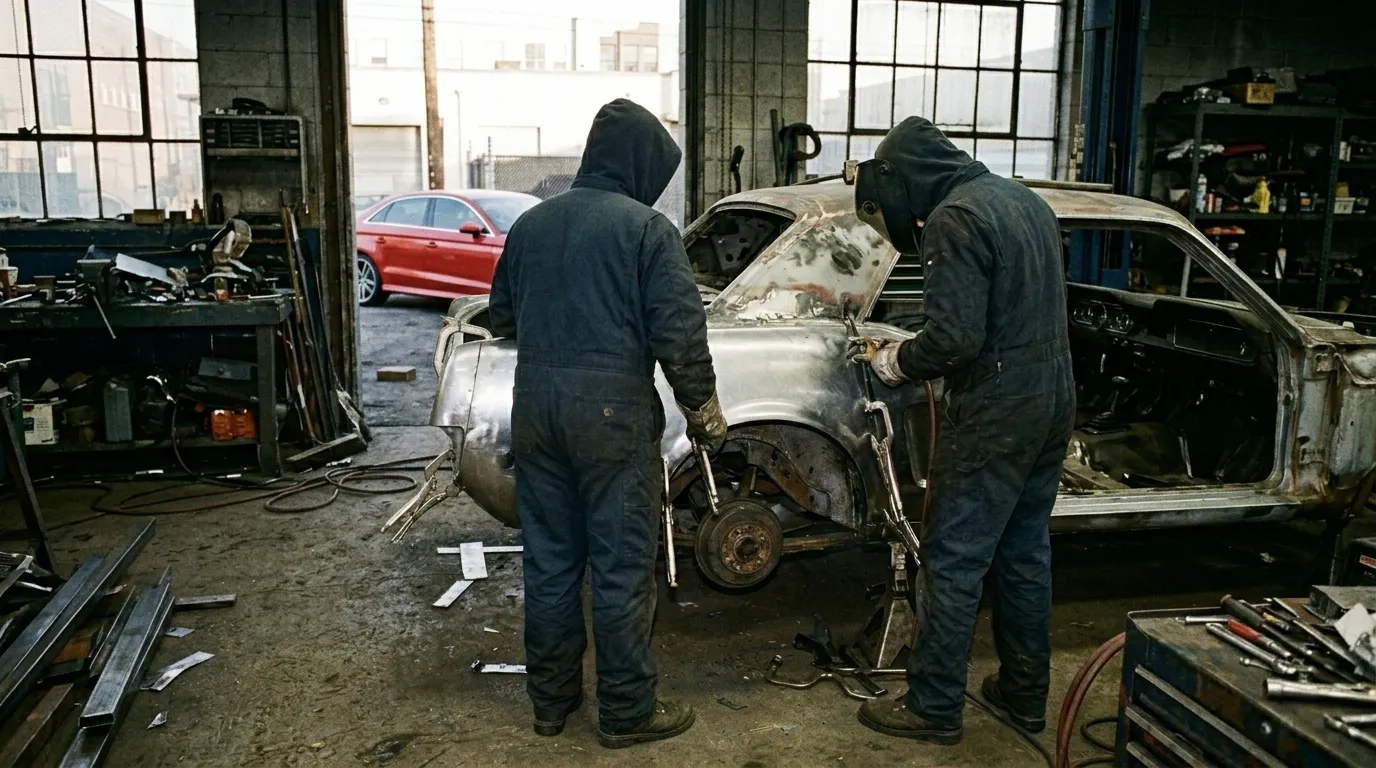
Our dedicated panel beating cell focuses strictly on the artisan restoration of the vehicle’s outer aerodynamic skin. We specialize in contour matching, localized paintless dent removal, and advanced panel shrinking. By using high-grade tool steel dollies and planishing systems, we eliminate surface imperfections while completely preserving the factory metallurgy.
THE REPAIR TIMELINE PROTOCOL
1. Structural Damage Assessment & Diagnosis
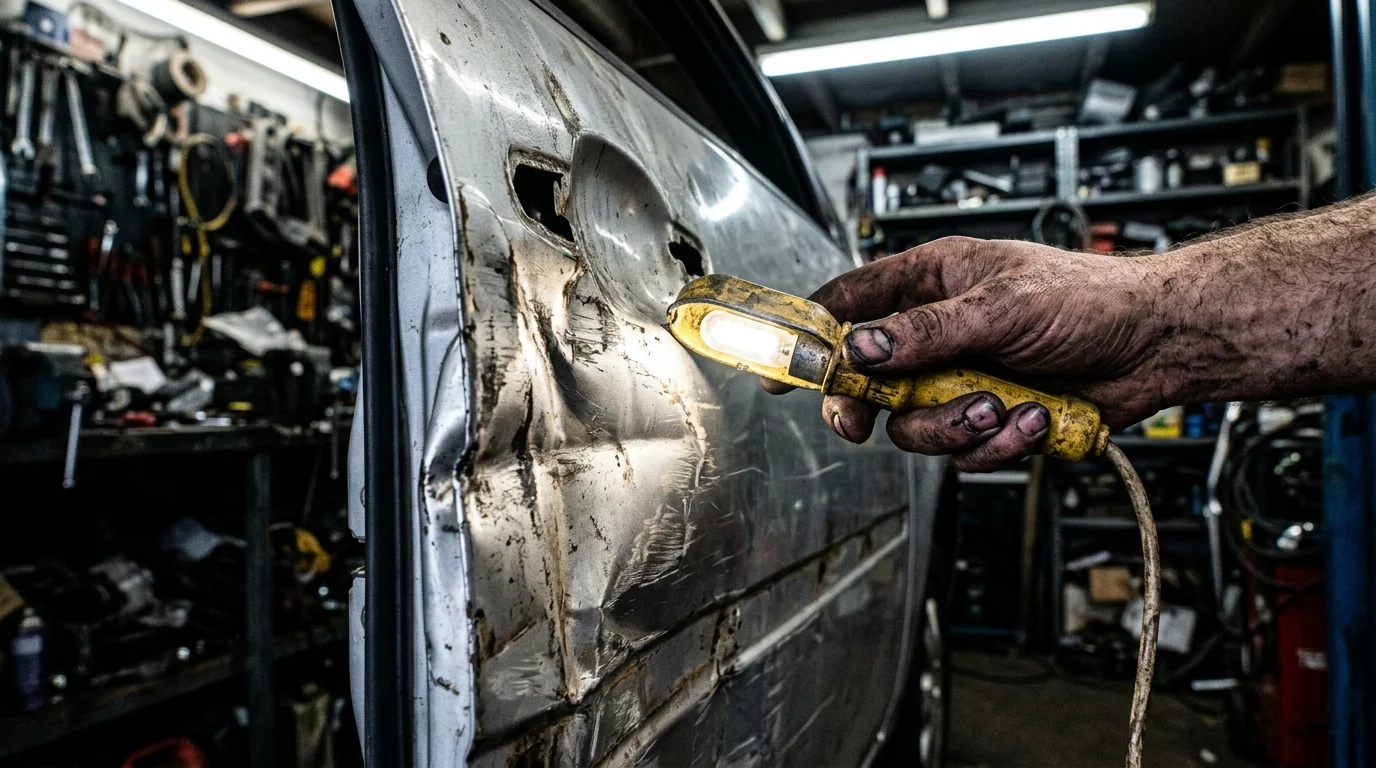
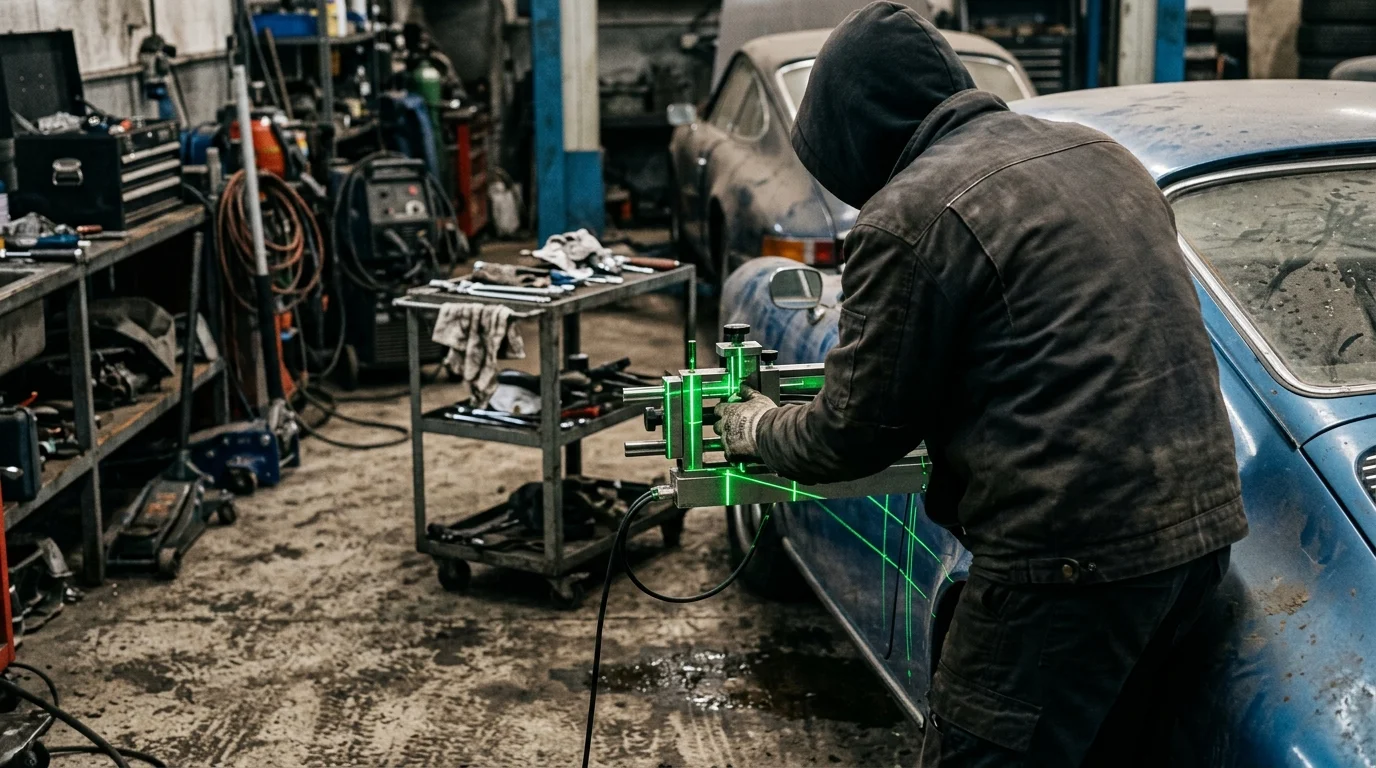
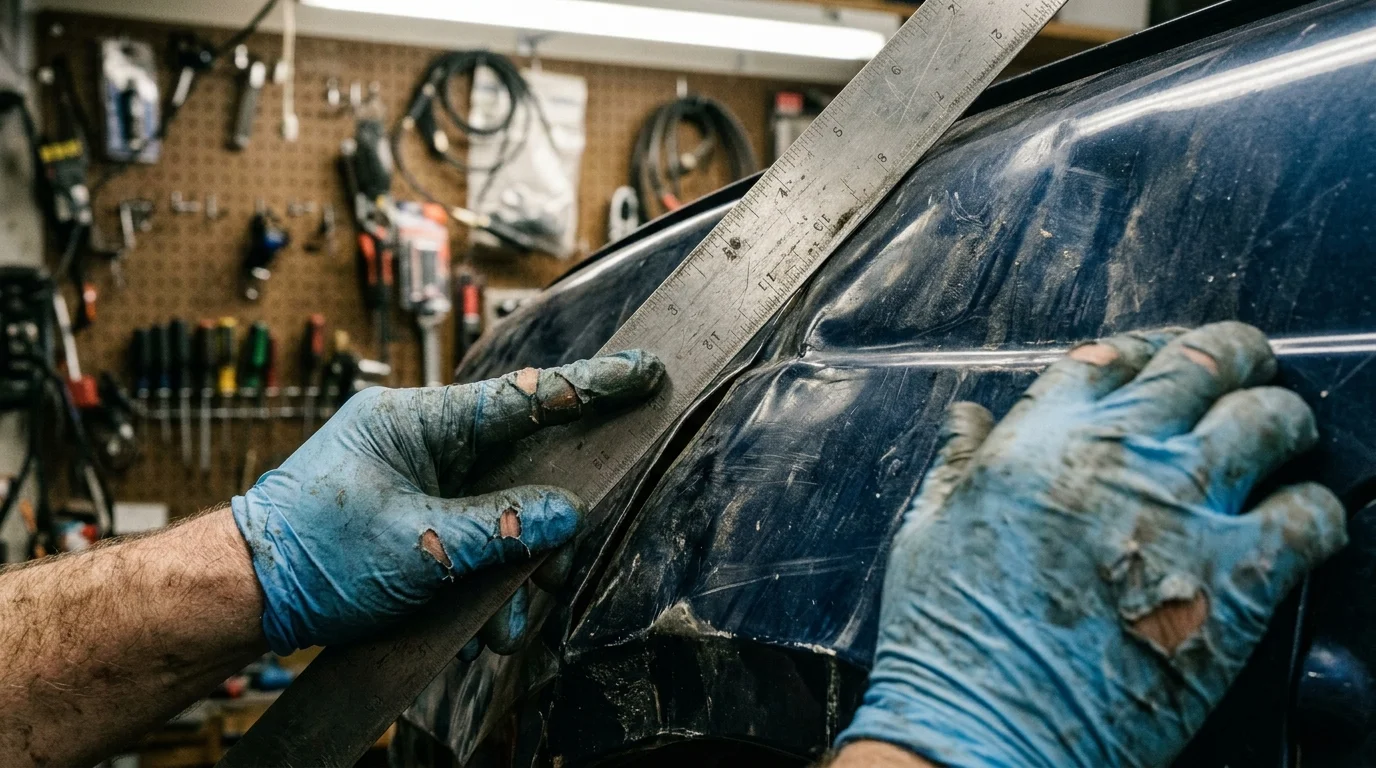
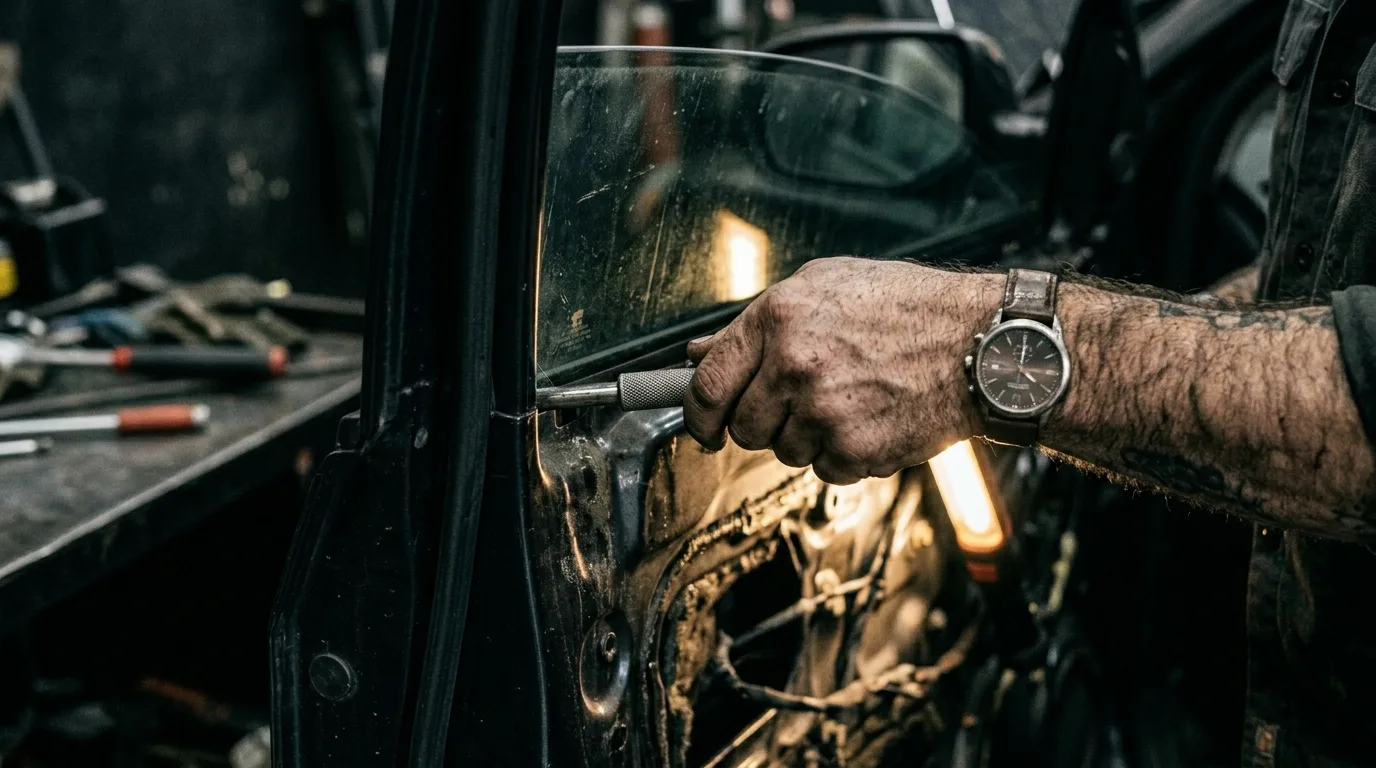
Every panel beating protocol begins with a comprehensive structural diagnosis. Technicians employ digital measuring bridges, laser alignment scanners, and factory datum reference points to map the full extent of collision-induced deformation. This stage determines whether the damage is superficial, structural, or requires panel replacement—ensuring the correct repair methodology is selected before any metal is worked.
2. Paintless Dent Removal Feasibility Analysis
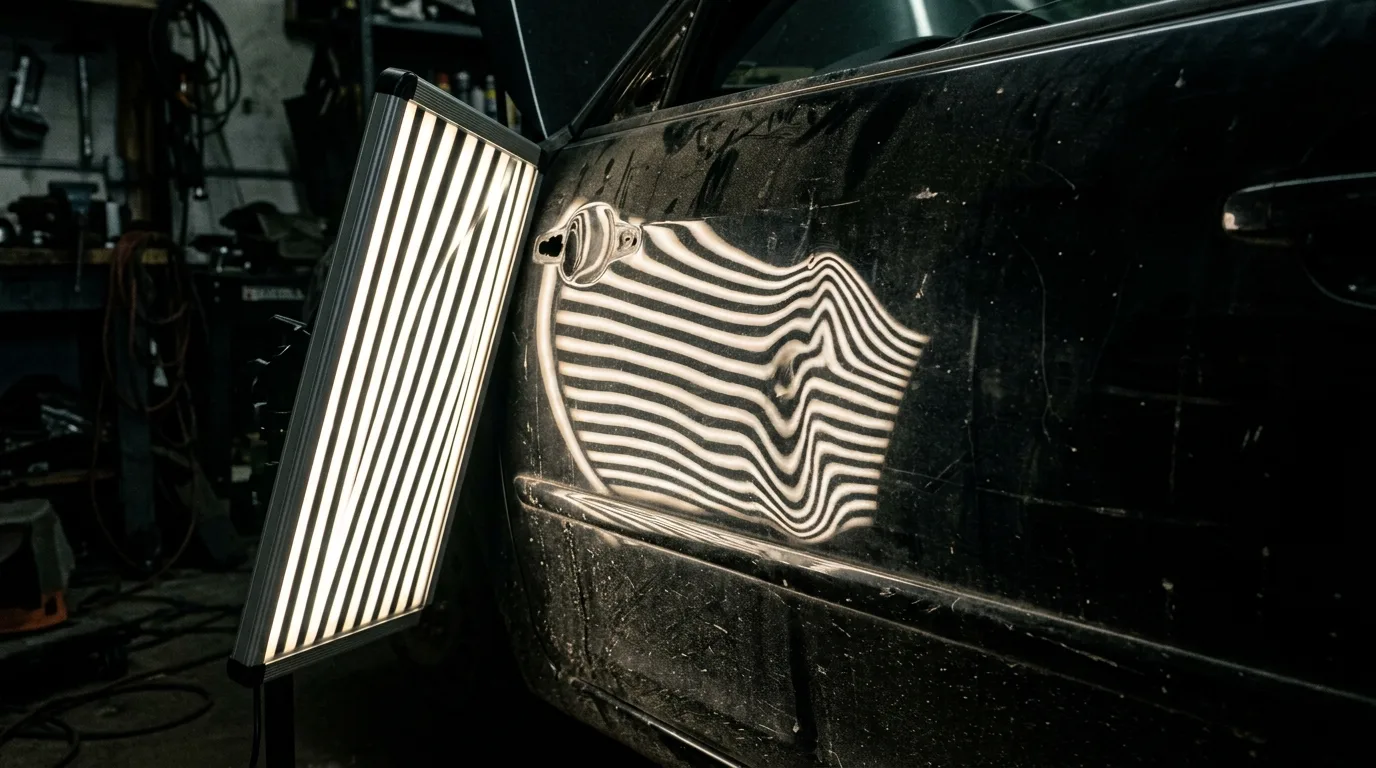
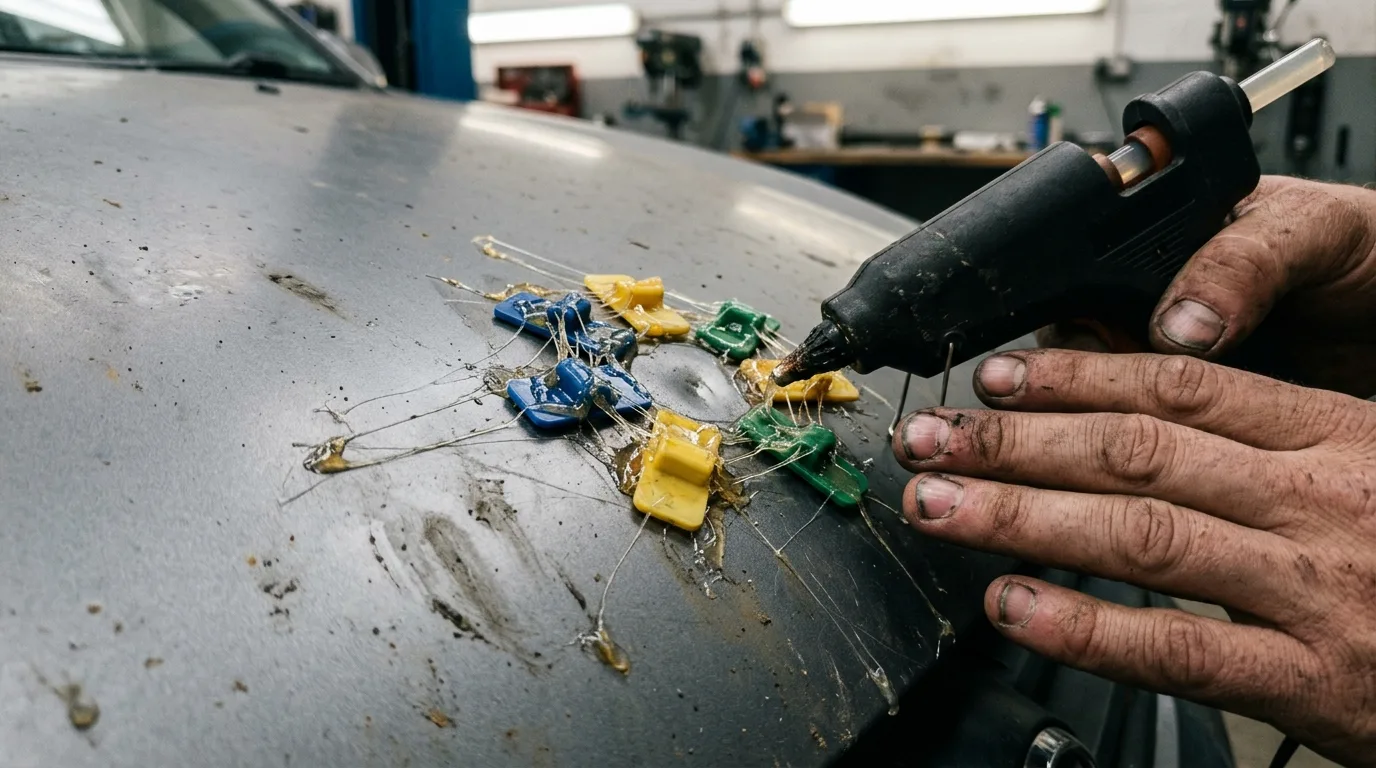
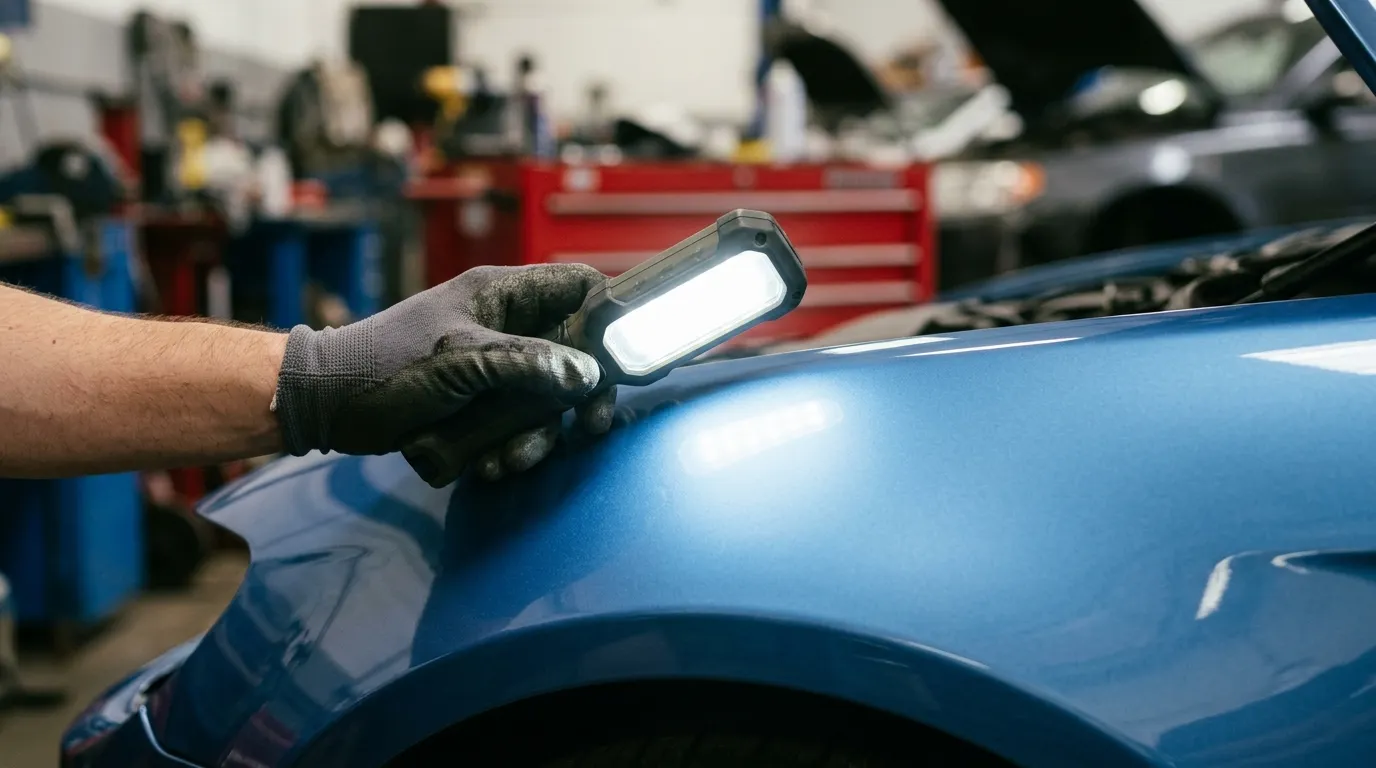
Where paint integrity remains intact and the metal has not been overstretched, we evaluate the damage for paintless dent removal. Using specialized LED reflection boards, precision access tools, and glue-pulling systems, technicians massage minor dents from behind the panel. This non-invasive technique preserves the original factory finish, eliminates color-matching concerns, and significantly reduces repair turnaround time.
3. Precision Contour Reshaping & Planishing
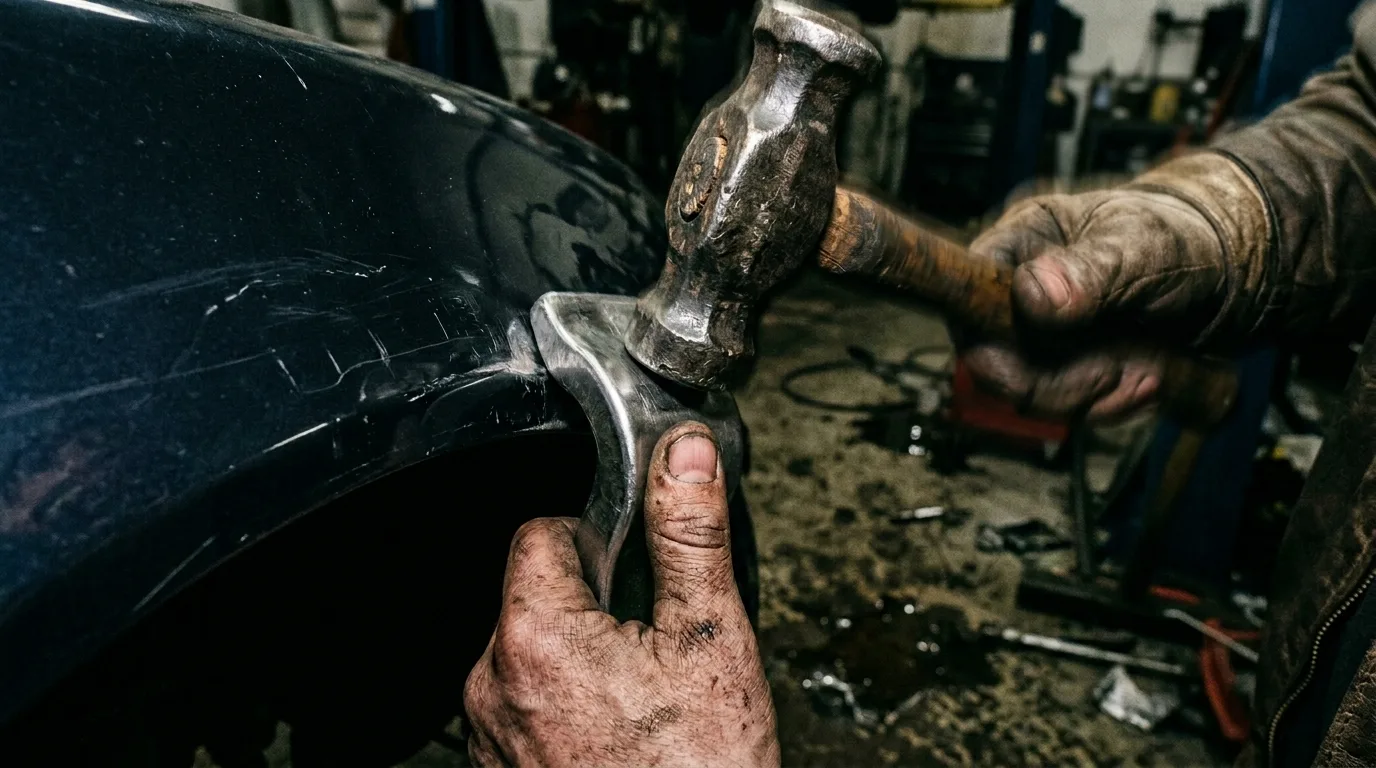
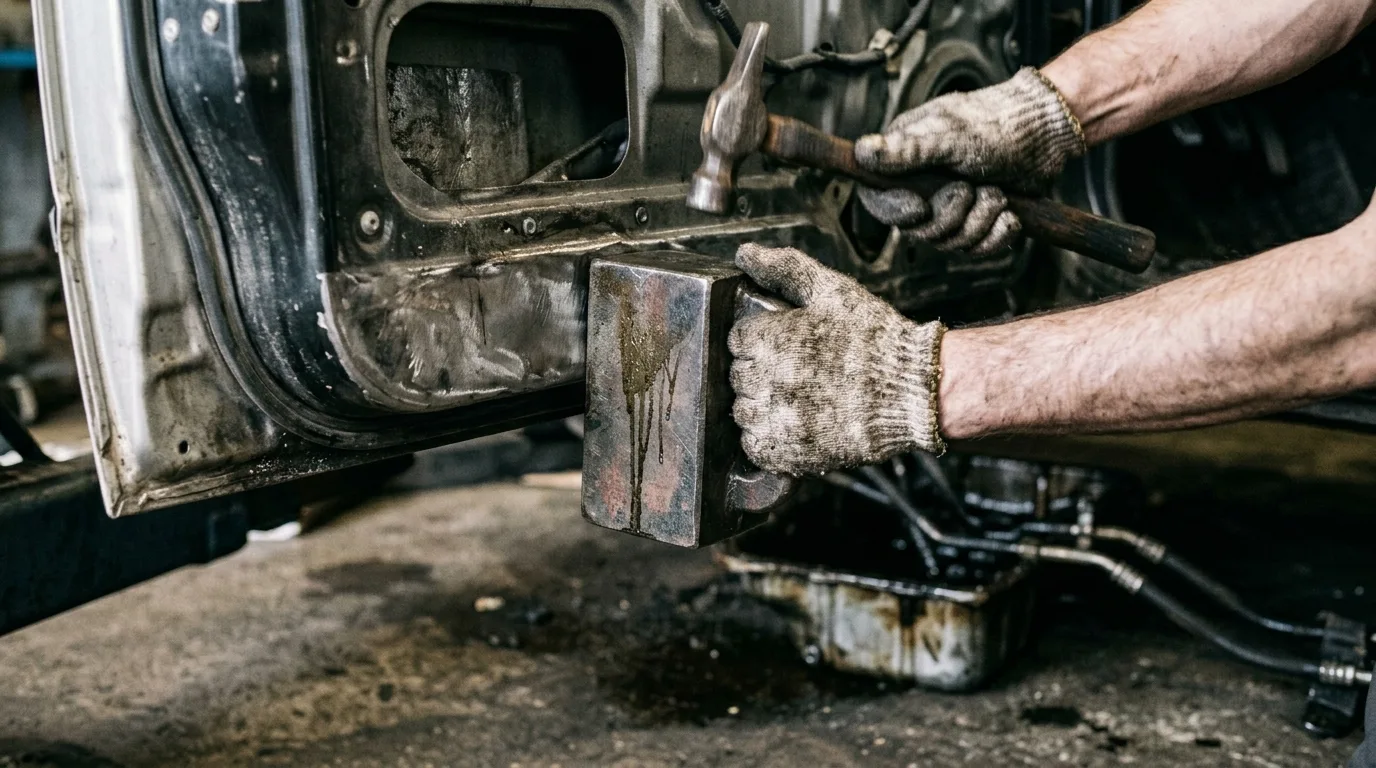
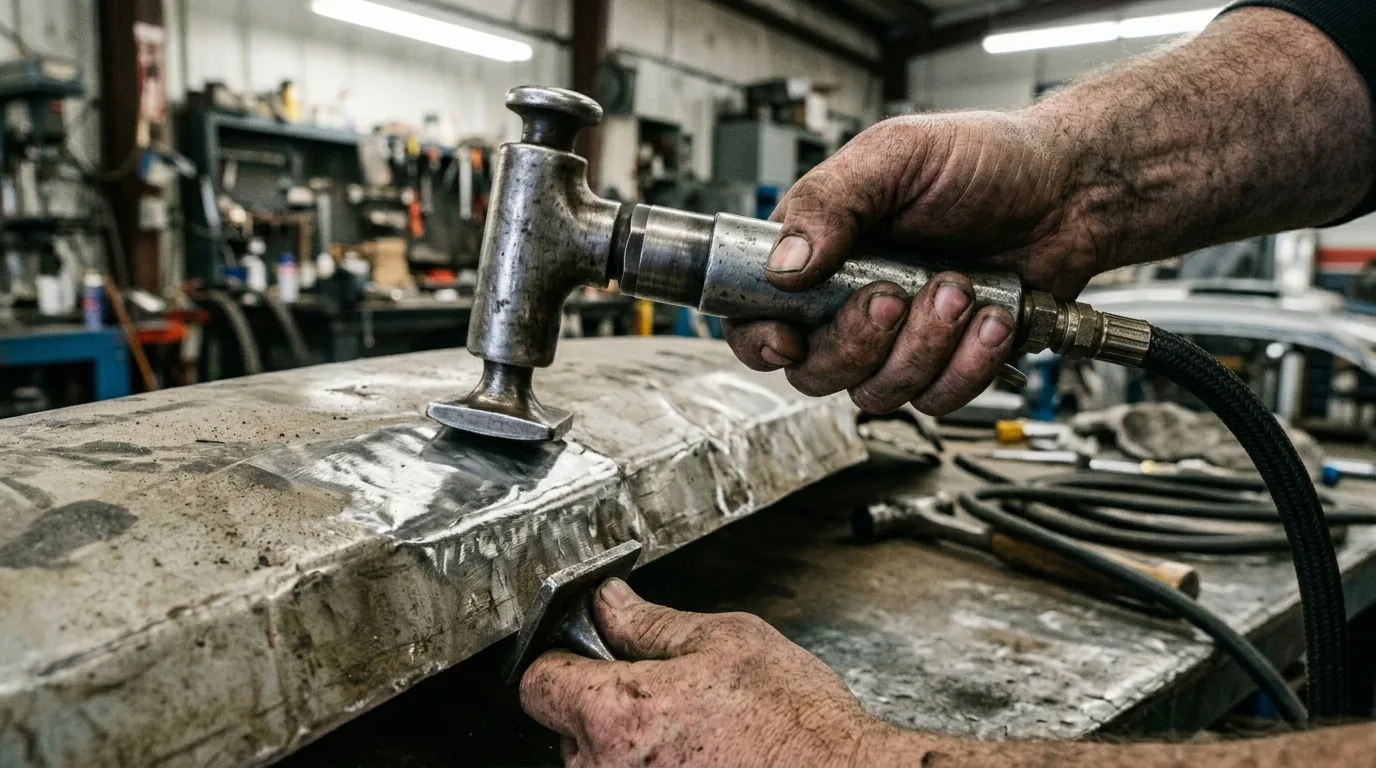
Technicians utilize specialized hand-forged hammers, precision dollies, and linear pneumatic planishing equipment to methodically work out outer panel distortions. By obtaining access to the inner skin of the damaged wing, door, or quarter panel, we carefully massage high and low stress spots, ensuring the metal matches original factory-stamped styling lines.
4. Localized Thermal Metal Shrinking
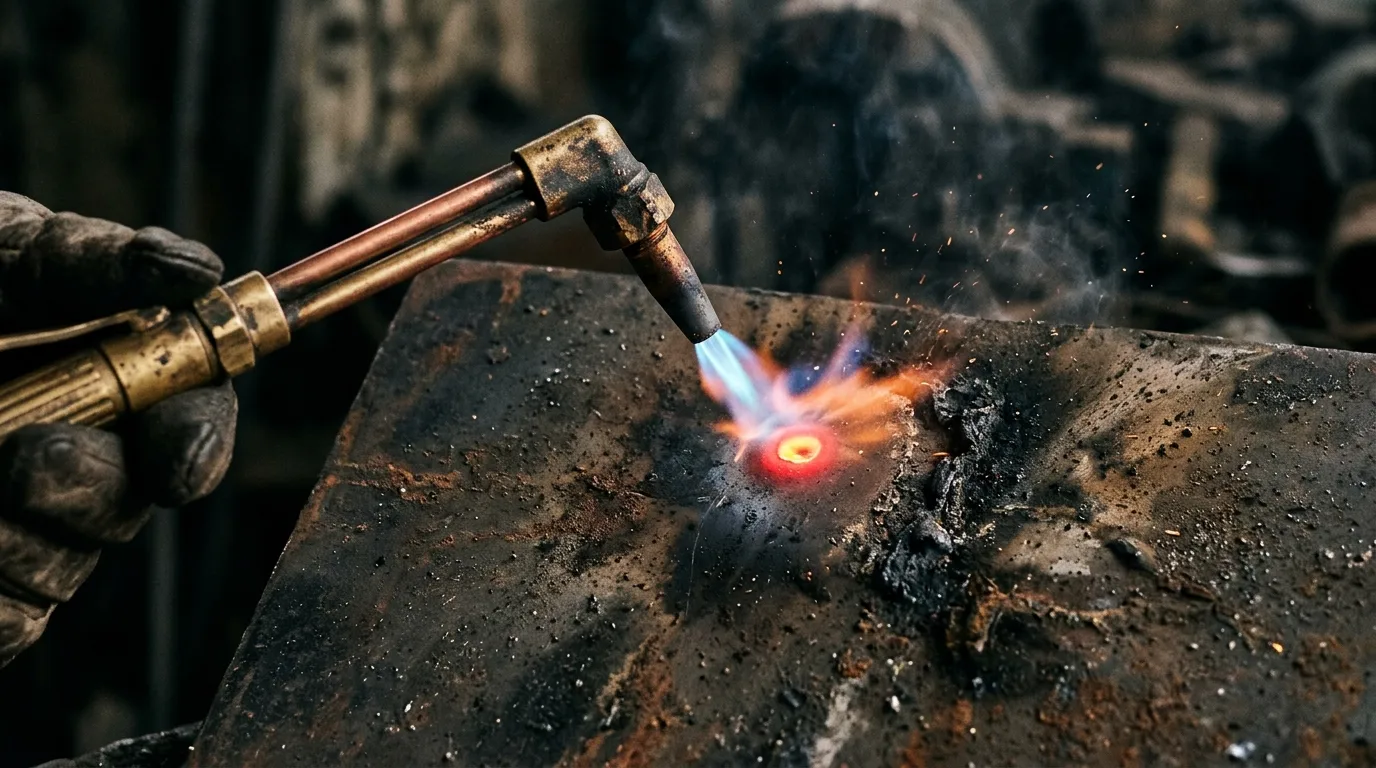
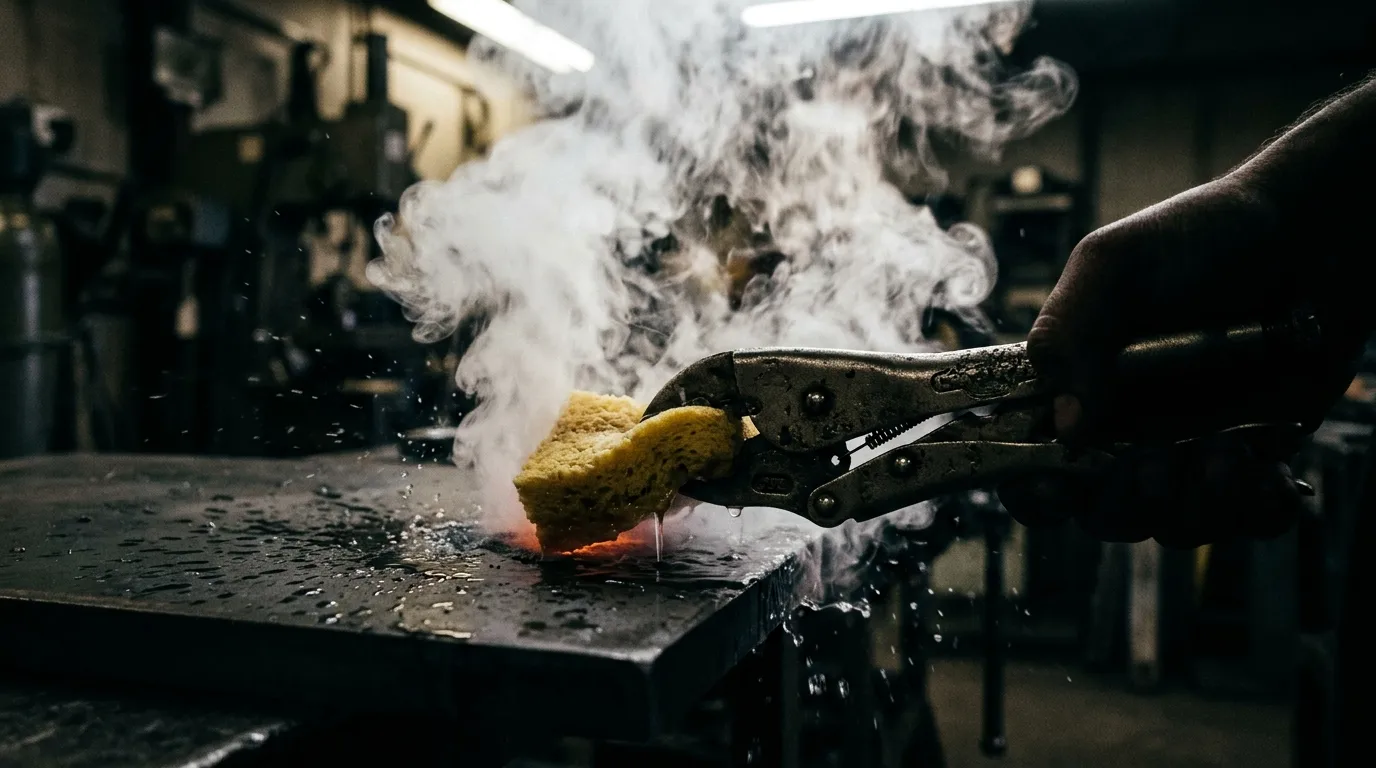
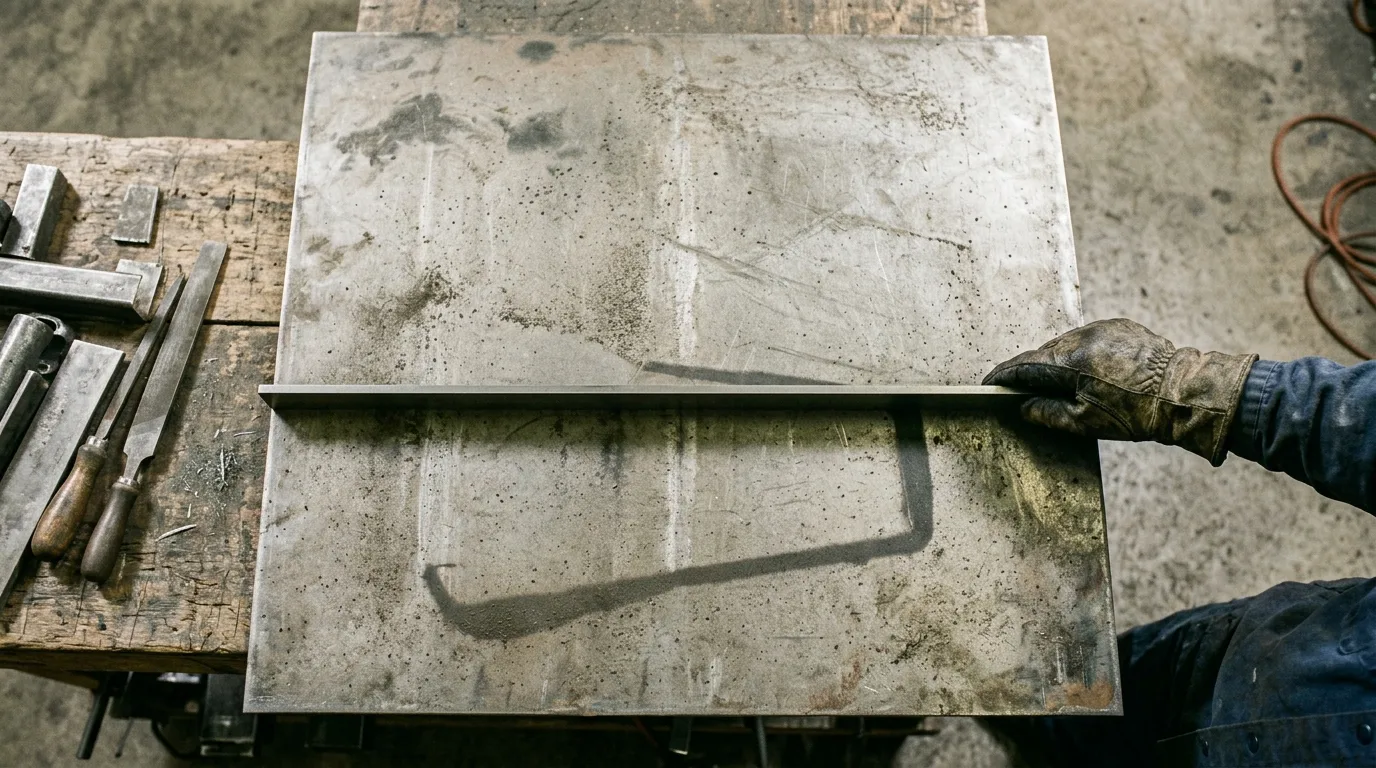
High-impact collisions forcefully stretch sheet metal molecules out of shape. To reverse this structural deformity without splitting the outer skin, we deploy highly focused, localized induction thermal shrinking. By heating precise micro-zones and performing rapid quenching, the stretched grains contract firmly, restoring structural tension and eliminating oil-canning or panel flexing.
5. Panel Replacement vs. Repair Arbitration
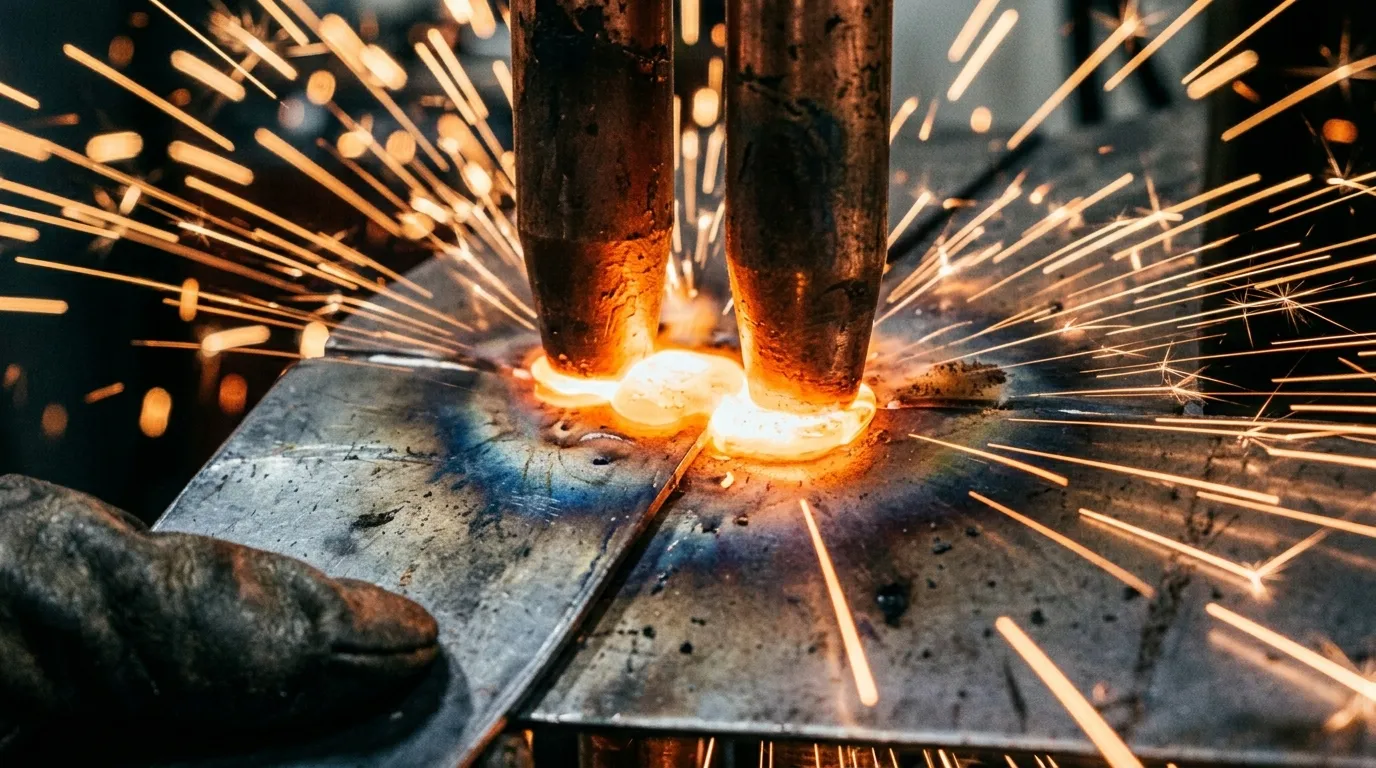
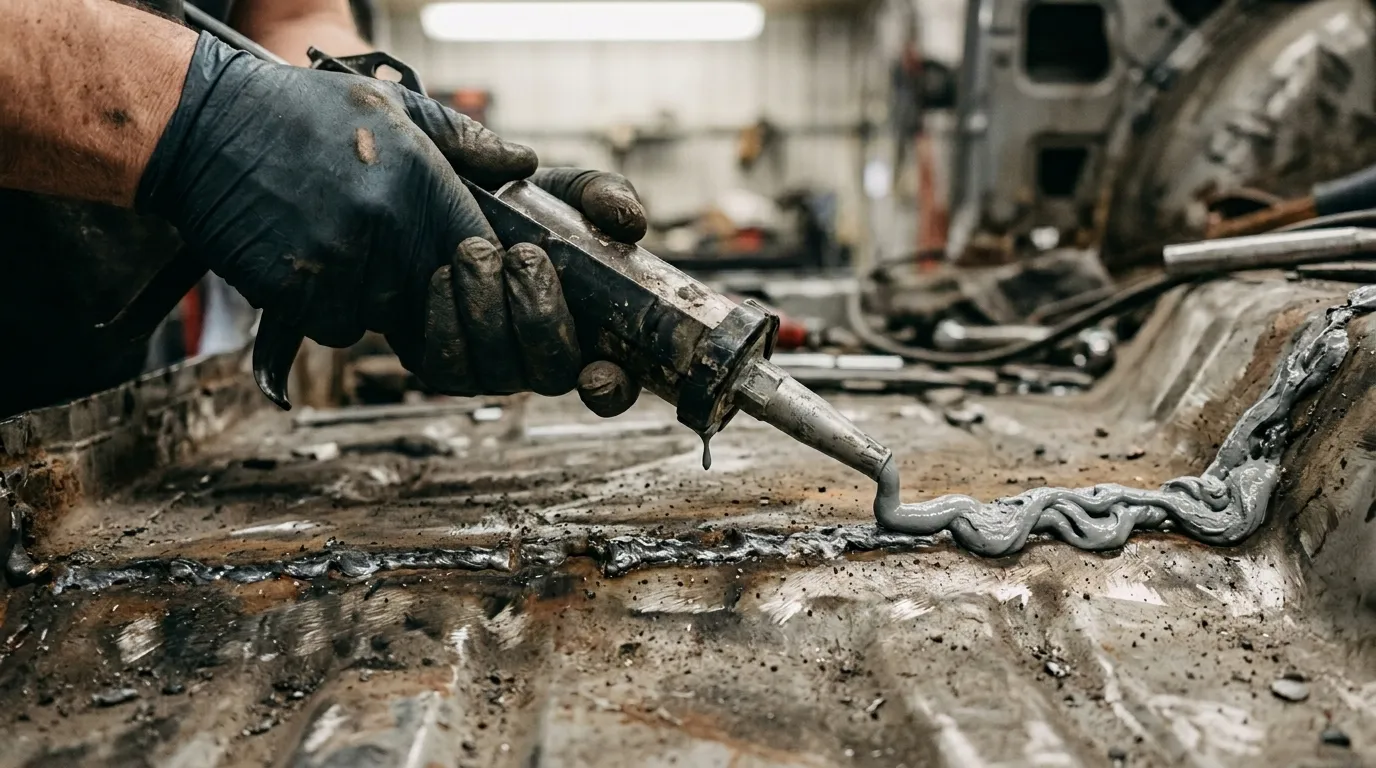
When structural integrity has been compromised beyond safe repair thresholds, we transition to OEM panel replacement. This decision is governed by metal fatigue analysis, tear propagation risk, and factory repair manual specifications. Replacement panels are precision-fitted, resistance-welded to factory seam patterns, and sealed with automotive-grade seam sealers to replicate original corrosion resistance and crash performance.
6. Component Trueing & Panel Gap Alignment
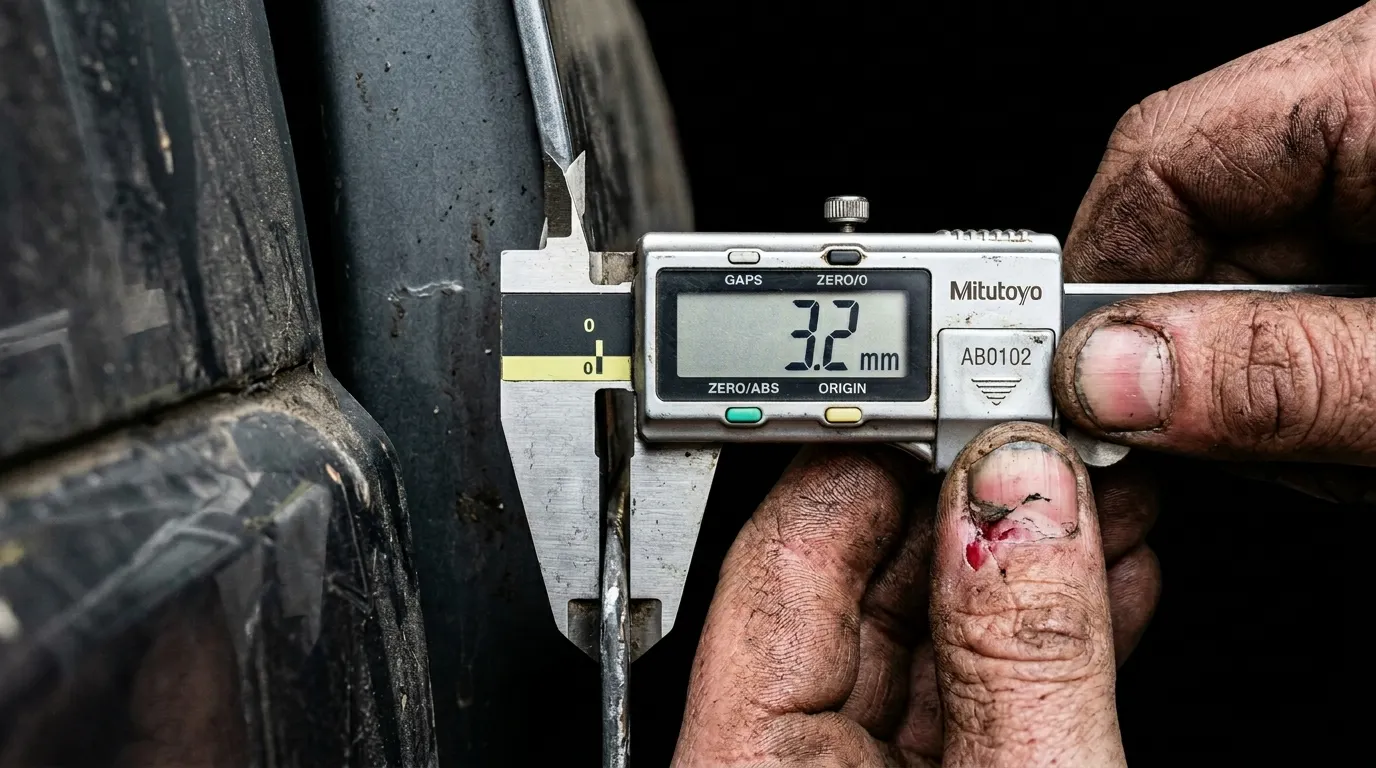
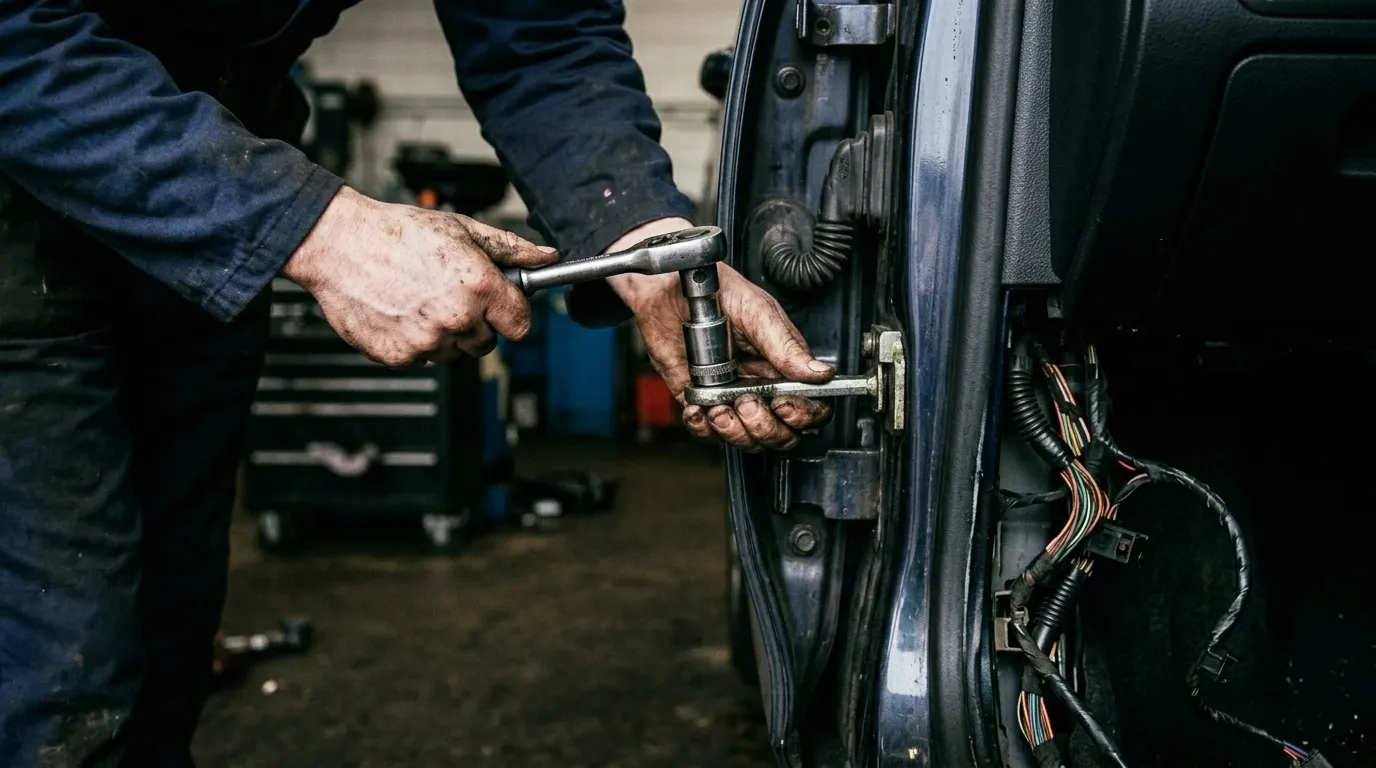
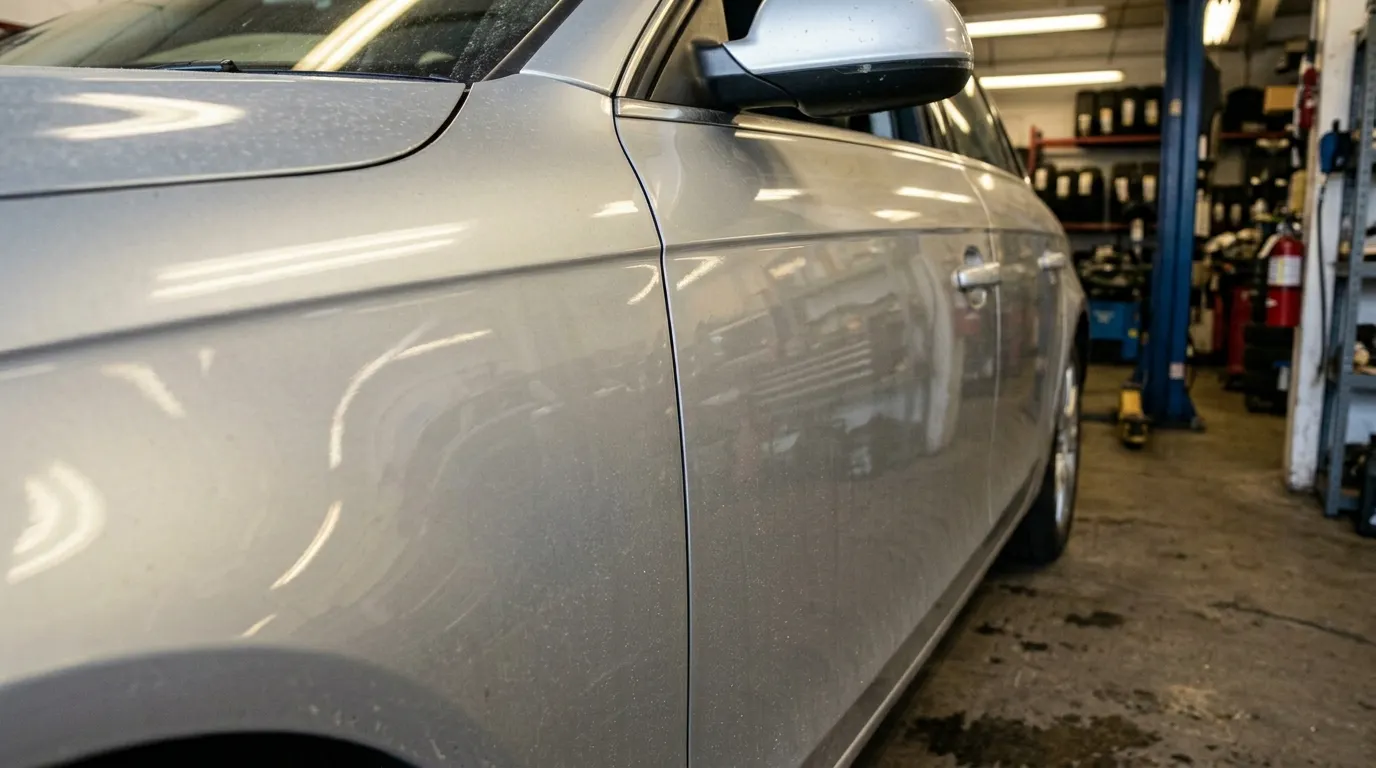
Once the panel contours are verified true, the entire outer assembly undergoes rigorous remounting diagnostics. Structural hinges, heavy-duty latching systems, and bolt tracks are carefully adjusted using digital gap calipers. This guarantees that all styling lines flow seamlessly along the vehicle profile and panel margins meet strict factory specifications.
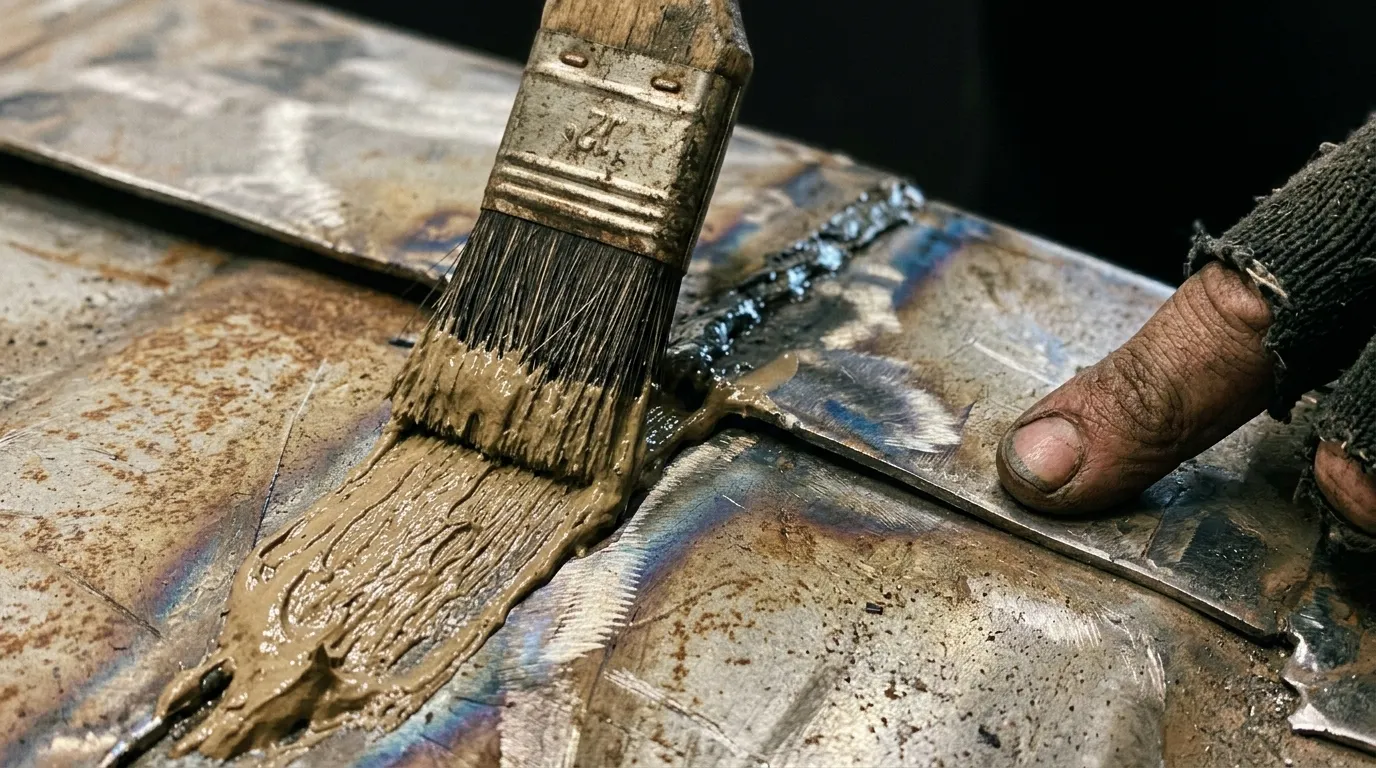
7. Corrosion Protection & Epoxy Sealing
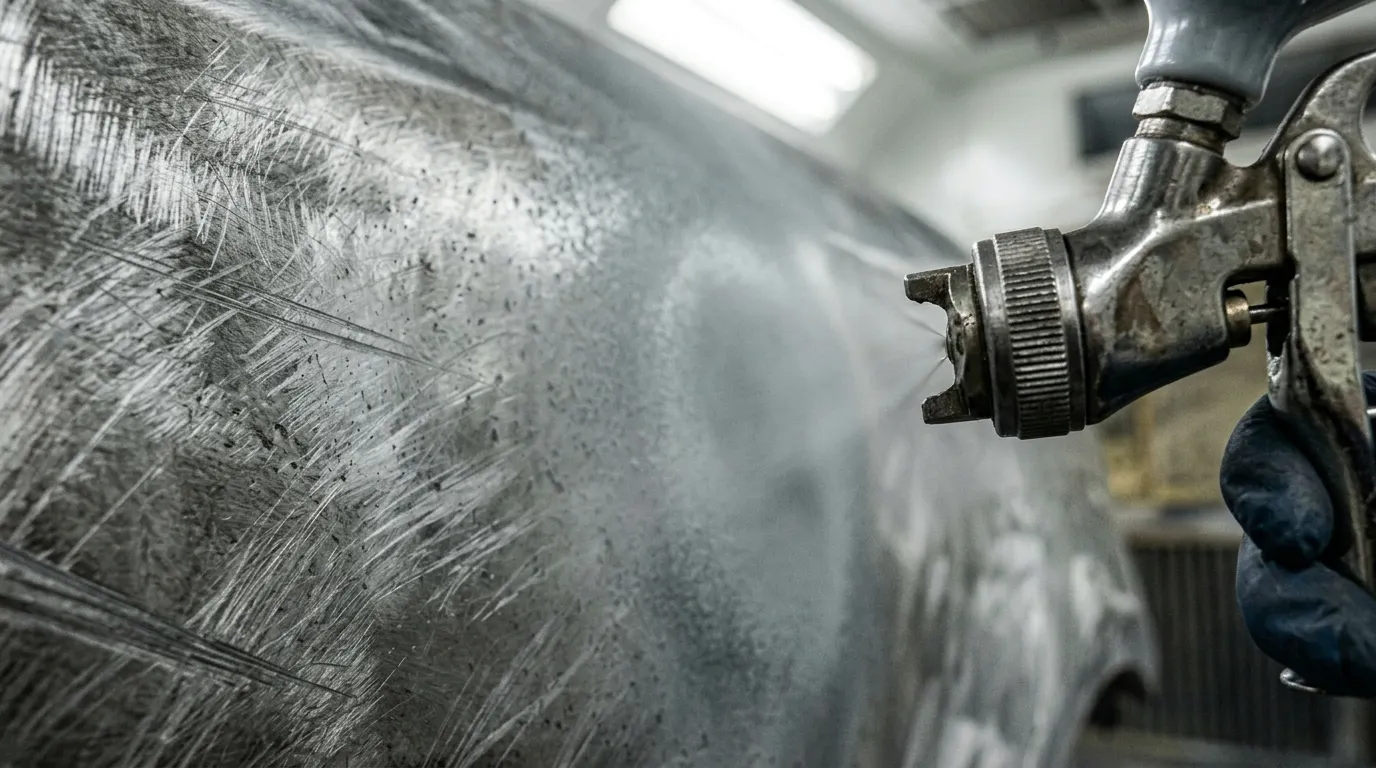
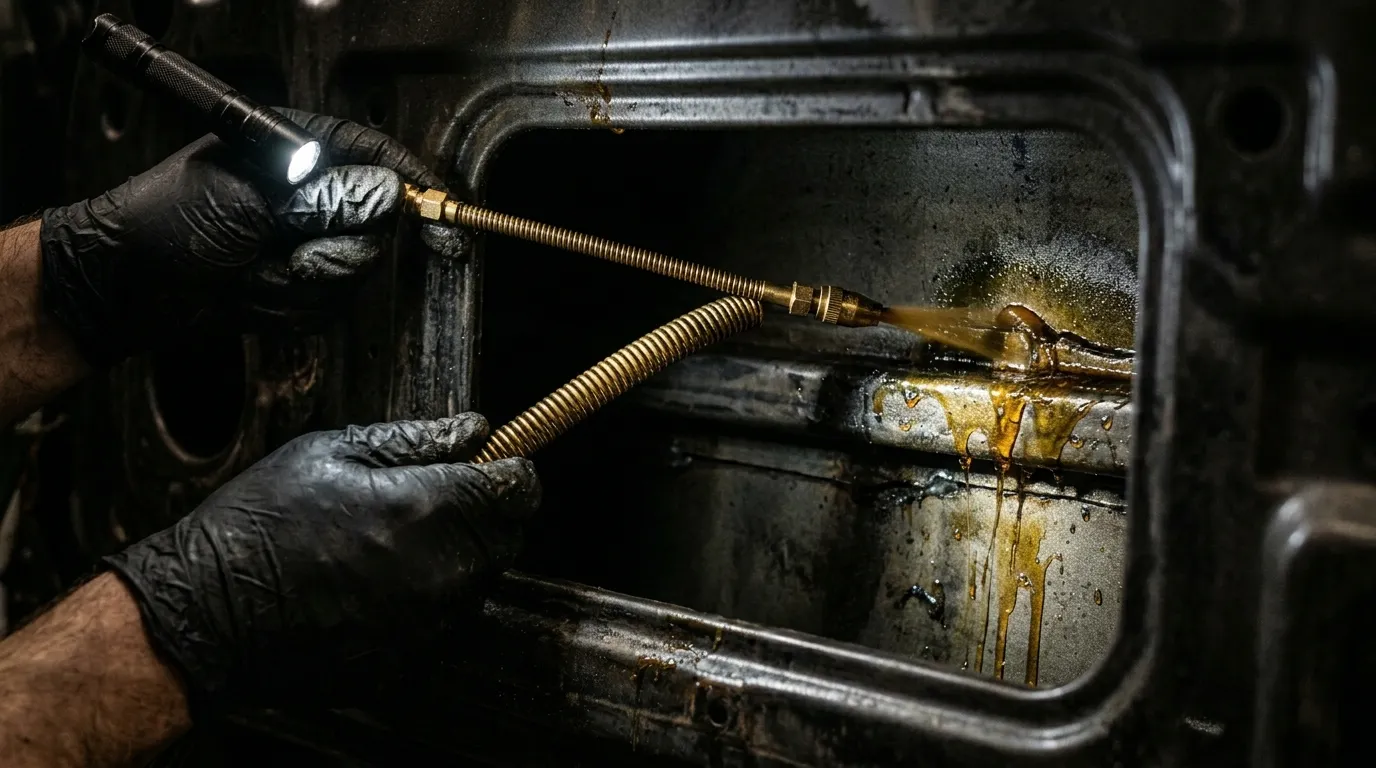
Bare metal is vulnerable. Before any topcoat application, all worked and replacement panels receive a full epoxy primer barrier coat, followed by targeted cavity wax injection and seam sealer replication. This multi-layer protection strategy seals the substrate against moisture ingress and galvanic corrosion, preserving the repair for the lifetime of the vehicle and maintaining manufacturer anti-perforation warranty compliance.
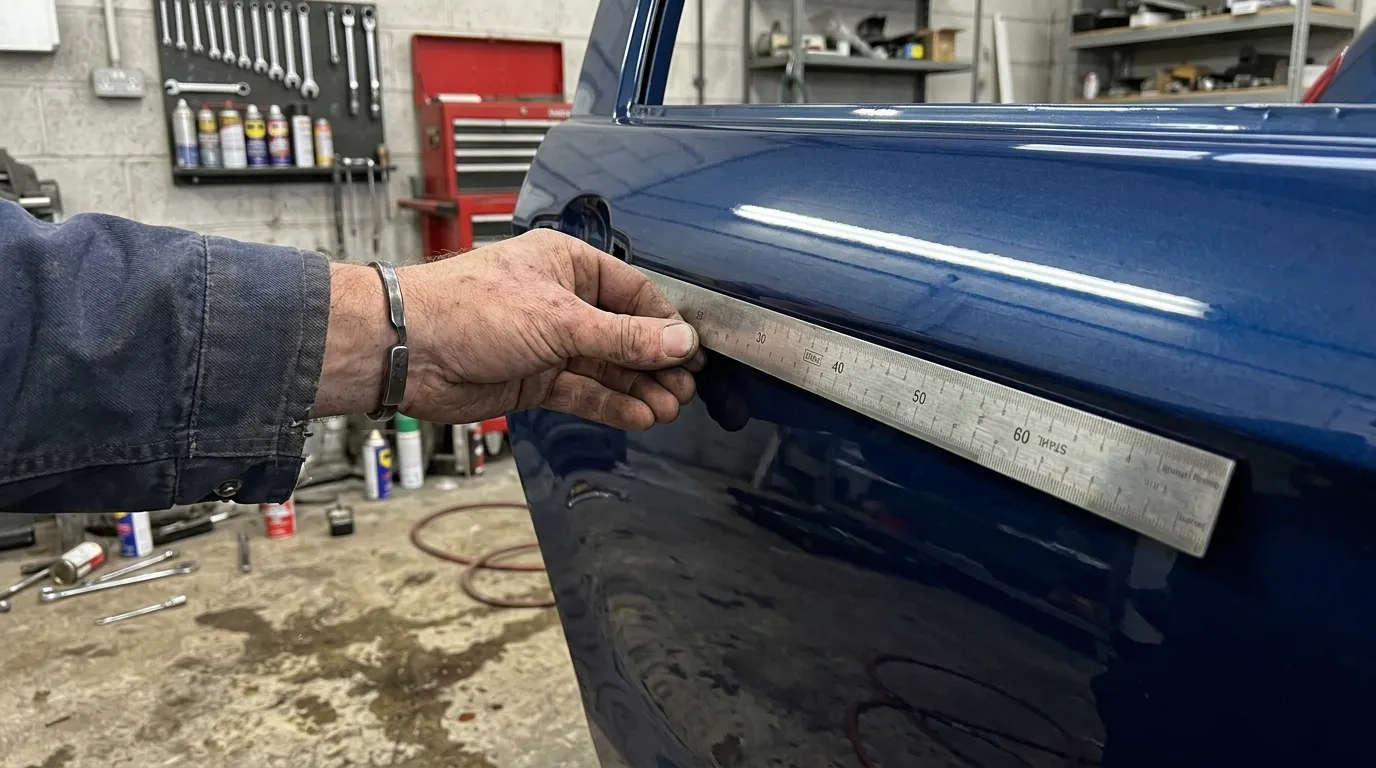
8. Quality Verification & Final Metrology
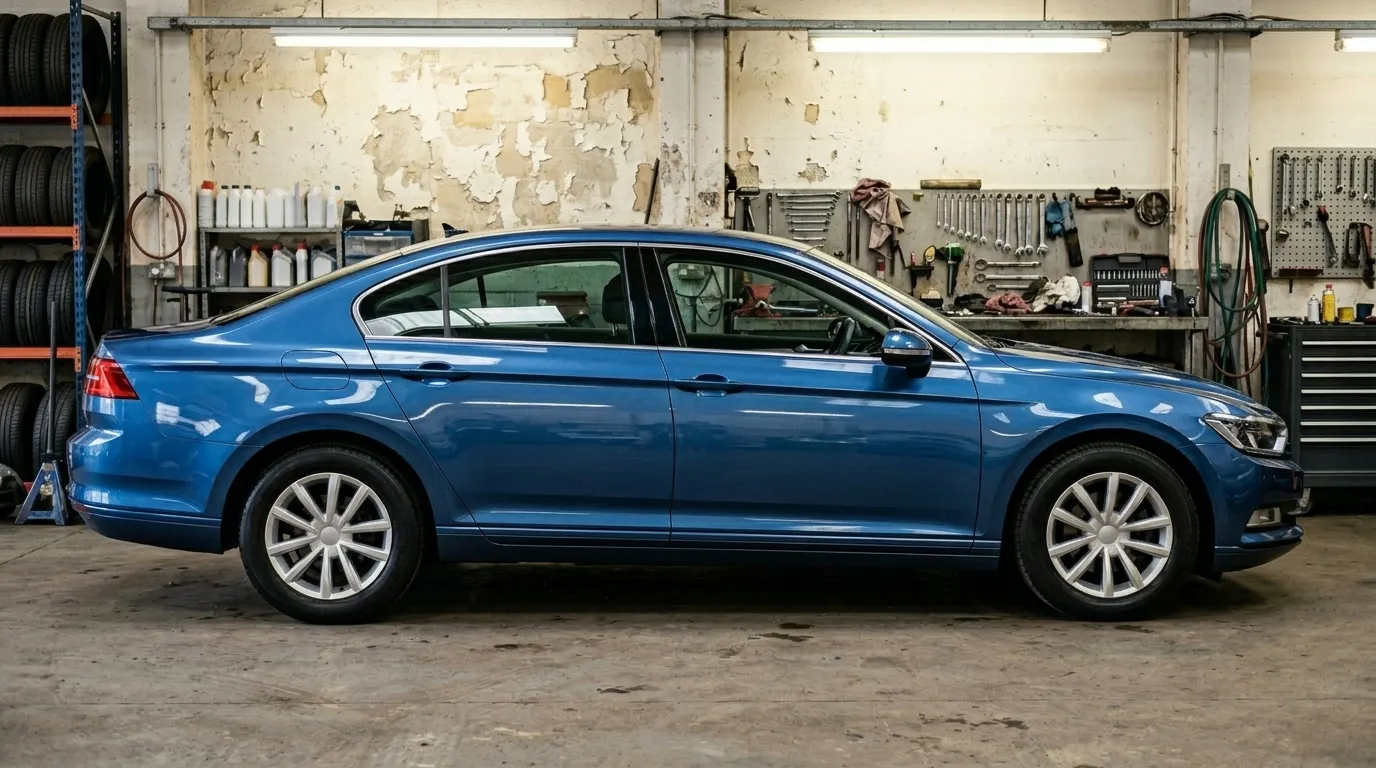
The completed assembly undergoes final dimensional verification using 3D optical scanning and factory tolerance databases. Panel gaps, flushness, and surface continuity are measured against OEM data. A comprehensive repair documentation package is generated for warranty and insurance compliance, and the vehicle is released only when every metric meets or exceeds factory delivery standards.